
Choosing between Velcro patches and sew-on patches is all about how permanent you want them to stay versus how easy to replace. Whether you are dressing up a motorcycle club, corporate organization, or tactical force, the right backing will ensure that your logo remains intact without damaging the fabric.
At Capital Digitizing, we manufacture custom embroidered, woven, PVC, and leather patches with either Iron-On, Sew-On, or Velcro backings. See the two types below and make your selection.
What Are Sew-On Patches?
Traditional sew-on patches come with a smooth, plain, or stabilized back that is meant to be stitched firmly onto a garment by hand or sewing machine.
These badges are usually embroidered on a durable twill substrate and have a tightly overlocked edge known as a merrowed edge. The unique edge not only secures the threads from fraying but also gives the patch a professional look.
- Pros: They provide maximum durability, easily survive heavy wear and tear, and perform great on difficult materials like thick leather, canvas, nylon, and heavy denim.
- Cons: They require some sewing skills or a visit to a local tailor, and the removal of an existing stitch-on badge may result in small needle holes.
What are hook and loop patches?
If you are asking, “Can custom patches be made with Velcro backing?” the answer is definitely yes.
Velcro is just a brand name for a type of fastener that uses hooks and loops to stick together. In this arrangement, the back of your patch has a rough “hook” side, and there is a soft “loop” panel sewn onto your jacket, cap, or uniform.
High-quality custom Velcro patches and embroidered Velcro patches have the same soft texture and neat edges as regular kinds. The fastener is securely attached to the back. They are the best option for removable patches used on tactical gear, military clothes, team uniforms, security vests, and collector boards.
- Pros: Very flexible, easy to change, and good for using different identities or temporary badges.
- Cons: They make the clothing slightly thicker, can collect lint if not attached, and need to be sewn onto your clothes initially.
Check out our special collection in the Velcro Patches shop category.
Velcro vs Sew-On Patches: Side-by-Side Comparison
Comparing Velcro vs sew-on patches helps you determine whether modular flexibility or ultimate permanence is more important for your project.
| Feature | Sew-On | Velcro (Hook & Loop) |
| Attachment | Stitched directly to the garment | Hook side on patch, loop base sewn to fabric |
| Permanence | Permanent | Removable and reusable |
| Durability | Highest mechanical hold | High, though hooks can collect lint or wear over years |
| Look | Flat and tightly integrated | Slightly raised profile |
| Washing | Wash-safe | Close hook-and-loop sides first; clear out lint |
| Best for | Heavy jackets, bags, permanent brand logos | Uniforms, tactical caps, swappable badges |
| Effort | Requires initial sewing work | One-time loop base installation |
Which Lasts Longer, Velcro or Sew-On Patches?
For sheer longevity, custom sew-on patches take the lead. The thread forms a direct connection with the fabric and will not weaken due to constant washing and rubbing.
The lifespan of hook-and-loop patches depends on how often you pull them apart and how clean you keep the small plastic hooks. Ensuring the embroidery threads are thick and that there is a proper border will help your embroidered Velcro patches last a long time.
Neat and professional digitizing is really important here as well. Precision stitch files assist keep the thread moving smoothly, which stops threads from breaking and loose loops that could ruin your patch.
Can You Wash Garments With Patches?
Yes, you can wash clothes with hook-and-loop fasteners easily if you follow a few simple steps:
- Prep before washing: Always press the patch firmly onto the base it belongs to or stick the hook and loop parts together before putting the item in the washing machine. This keeps the sharp hooks from catching on gentle clothes in the washing machine.
- Clear out debris: Periodically brush any lint or fuzz from the hooks with a fine-tooth comb or a soft brush to keep them strong.
- Remove when necessary: If your garment is real leather or only needs dry cleaning, remove the badge before getting it cleaned by a professional.
Sew-on patches can usually handle regular machine washing without problems, but it’s better to wash them gently by hand if they have delicate metallic threads or special details.
Best Backing for Jackets and Hats
Different clothes require different types of backing depending on their usage and washability:
- Jackets: Velcro patches for jackets are best for use on riding vests, security jackets, or uniform jackets where names and ranks are changed frequently. Sew-on backings are best for motorcycle club colors, fashion jackets, or brands that will not be changed.
- Hats: Velcro patches for hats make it easy to change your team logo, morale patches, or brand aesthetics on a single cap, while sew-on backings give you clean branding.
Avoid heat press or iron-on adhesives on heat-sensitive fabrics such as technical nylons and delicate faux leather since high temperatures will distort the fabric.
Sew-On vs Iron-On vs Heat-Seal Backing
Comparing sew-on vs iron-on patches involves weighing fast application against durability. Iron-on and heat seal backings utilize thermal adhesives that are activated using a household iron or heat press.
- Iron-on wins on speed: It doesn’t require any sewing skills and only takes just a minute to apply.
- Sew-on wins on heavy fabrics: It works better than heat activation with thick outerwear, heavy denim, and tough canvas.
Pro tip: Many decorators use the iron-on backing as a temporary measure for holding the patch in place while applying a quick whip stitch around the border for permanent security. If you order from us, you have an option to choose Iron-On, Sew-On, or Velcro backing.
How to Attach Patches (Step by Step)
Knowing how to attach patches keeps the edges from curling, lifting, and drooping. Choose the technique that corresponds to your backing type:
- How to attach sew-on patches: Place the patch on your garment, pin it in place to keep it from moving, and stitch it using a tight whip stitch along the inner border line.
- How to attach Velcro patches: Attach the soft loop side first to your garment, and then stick the hook-side patch to it.
- How to attach iron-on patches: Apply the patch onto clean fabric, then cover it with a press cloth and apply strong heat from an iron for 30 to 45 seconds, allowing it to cool down fully before wear.
Always try your application on a hidden part of the fabric first if you’re using new or delicate materials.
Which Should You Pick?
When trying to choose between Velcro patches vs sew-on patches for your next order, think about your goals using these easy tips:
- Want permanent durability? Go with sew-on.
- Want to swap, remove, or rotate badges easily? Go with Velcro.
- Want a quick, light-duty fix without tools? Consider iron-on or heat-seal.
You can mix methods: sew a fixed brand logo on the back of a jacket, but use Velcro for removable name tags on the front.
Order Custom Patches From Capital Digitizing
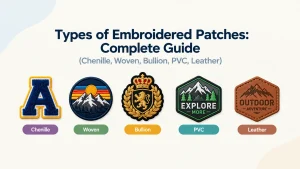
We provide premium https://capitaldigitizing.com/pvc-patches/, PVC, Woven, Leather, Bullion, and Motorcycle patches as per your specific branding needs.
When making your order, choose the type of backing that you want, such as Iron-On, Sew-On, and Velcro, along with hot-cut or merrowed edges. With our precise digitizing process, you will get sharp stitch files in just 12 to 24 hours for your insignia.
Moving Forward
Each type of backing is highly effective when used on the appropriate clothing and purpose. Choose sew-on patches for maximum durability on your heaviest jackets, and choose Velcro when you need a little flexibility and fast changes. Regardless of what your project requires, using the best materials will ensure that your custom patch lasts.
Capital Digitizing provides durable, precision-digitized custom patches with secure Velcro and sew-on backings built to fit your exact branding needs.
FAQs
1. What is the difference between Velcro patches and sew-on patches?
Sew-on patches are permanently attached to the fabric, while Velcro patches have a two-part hook-and-loop mechanism that allows for easy removal and replacement.
2. Which lasts longer, Velcro or sew-on patches?
Sew-on patches are more durable since the thread bonding is not subjected to any mechanical wear, whereas the hooks on Velcro can collect lint over time.
3. Can I wash a jacket with Velcro patches?
Yes, you only need to press the hook and loop together before washing to prevent damage to your other clothes, and comb any lint collected in the hooks occasionally.
4. Are sew-on patches better than iron-on patches?
Sew-on patches are more durable for heavy clothes, while iron-on patches allow for a quicker process of application for light-use clothes.
5. Can custom patches be made with Velcro backing?
Yes, almost any type of custom patch design can be created with a backing using Velcro strips for swapping out uniforms, hats, and tactical clothing.