Embroidery digitizing is a vital stage in each stitching process. This is where the graphic is converted into a digital format understood by the machine and utilized by it to embroider the design. Even if you do everything right in machine embroidery, poor digitizing will make it hard for your design to work properly.
Problems with machine embroidery can occur when an embroidered design is being made and not with the machine. Inconsistency, twisted work, and thread breakage are results of poorly designed stitching. Digitization will ensure accuracy, correctness, and reliability of the result.
What Is Embroidery Digitizing and Why Does It Matter?
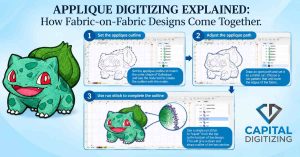
Digitization involves converting designs to digital format files, such as DST, PES, and EMB files, through embroidery file digitizing and machine embroidery digitizing techniques. Such files control every single stitch formed by the machine.
At this stage, decisions are made that directly impact quality:
- Stitch type and direction.
- Underlay structure.
- Pull compensation.
- Stitch sequencing.
If embroidery file digitizing is done poorly, the machine simply executes bad instructions perfectly, resulting in flawed output every time.
How Stitch Density Affects Embroidery Output
Stitch density refers to how closely stitches are packed in a design.
Too much density can:
- Damage the fabric structure.
- Cause thread breaks.
- Make embroidery feel stiff.
Too little density can:
- Create gaps in the design.
- Make logos look faded.
- Reduce durability after washing.
Different types of fabric need different thread densities. For instance, soft fabrics such as fleece have a completely different behavior from structured fabrics like denim. Proper custom embroidery digitizing adjusts these settings for each case instead of using a one-size approach.
The Role of Digitizing Software in Precision Results
Professional digitizing software allows precise control over every stitch. However, software alone is not enough.
Auto-digitizing tools often:
- Miss proper underlay structure.
- Ignore fabric behavior.
- Create inefficient stitch paths.
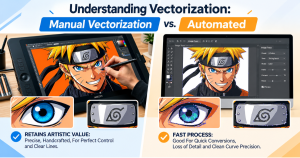
Human expertise is still essential in machine embroidery digitizing because real-world production involves tension, hooping, and fabric stretch. Good digitizing is not about automation; it is about controlled decision-making using tools like professional software, combined with experience and understanding the importance of accurate embroidery digitizing for logos.
Thread Path Optimization: The Hidden Quality Factor
Thread path optimization defines the order in which stitches are executed.
If the thread path is poorly planned:
- Machines stop frequently for trims.
- Visible jump stitches appear.
- Production time increases.
Well-optimized paths:
- Reduce unnecessary movement.
- Improve stitching smoothness.
- Speed up production efficiency.
This is especially important in bulk production and detailed logo work, where even small inefficiencies multiply quickly, highlighting the importance of accurate embroidery digitizing for logos and custom embroidery digitizing.
Preparing your artwork correctly is essential learn how to prepare your logo for embroidery digitizing services.
Why Logo Digitizing Demands a Higher Standard
Logo embroidery is more sensitive than general designs and requires advanced machine embroidery digitizing and embroidery file digitizing.
Challenges include:
- Small text that must remain readable.
- Tight spacing between elements.
- Brand color accuracy.
- Fine detail reproduction.
Without proper digitization of logos, the letters can be deformed or unclear after embroidery due to poor custom embroidery digitizing.
Professional logo digitizing focuses on:
- Proper pull compensation.
- Balanced stitch density.
- Clean sequencing for readability.
This ensures the final embroidered logo matches the original brand identity as closely as possible while maintaining the importance of accurate embroidery digitizing for logos.
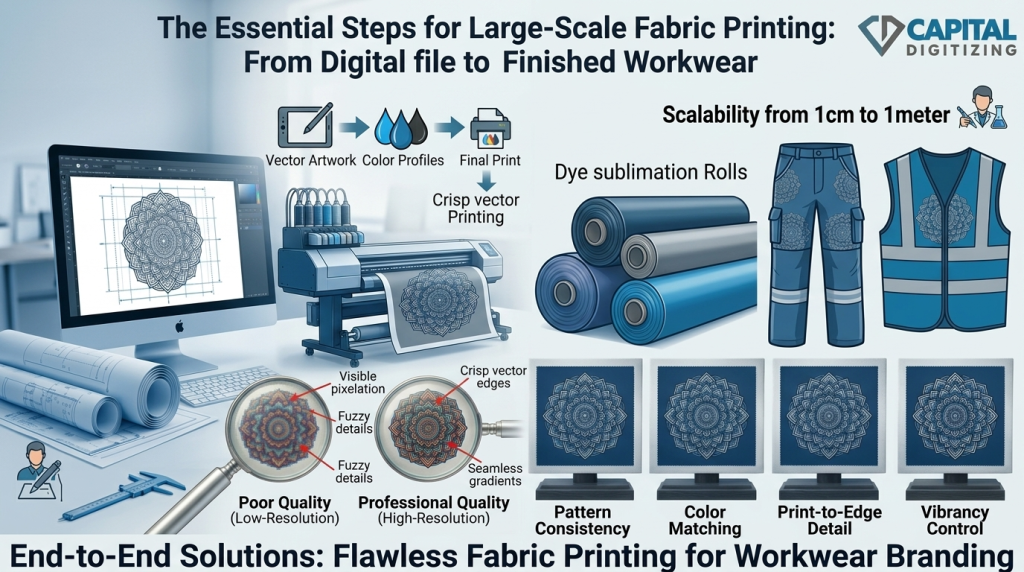
Clean artwork is essential before digitizing, and our vector art services help convert logos into scalable, high-quality designs.
Capital Digitizing Approach to Better Results
At Capital Digitizing, the focus is on production-ready embroidery files rather than automated outputs through machine embroidery digitizing and embroidery file digitizing.
Each design is handled with attention to:
- Fabric type and behavior.
- Machine compatibility.
- Clean stitch flow.
- Reduced production errors.
Custom embroidery digitizing is not difficult to comprehend in terms of its objective, which includes ensuring accuracy, improving stitching quality, and guaranteeing uniformity every time.
Businesses working with a reliable custom patch factory ensure durability and consistent patch production results.
Conclusion
Embroidery digitization is essential in ensuring quality sewing through the proper functioning of the sewing machines, the reduction of errors, and consistency in design patterns. Good digitizing improves efficiency and makes all fabrics last longer. Capital Digitizing promises accurate embroidery files that are ready for production. The files are guaranteed to provide high-quality and consistent results that improve your brand image.
Capital Digitizing delivers flawless, production-ready embroidery files through expert craftsmanship and optimized stitch precision.
FAQs
What are the benefits of embroidery digitizing?
Makes sure stitching is done correctly, lessens mistakes, works faster, and provides steady, high-quality embroidery designs.
Why are digitizers so expensive?
Because skilled expertise is required to control stitch quality, fabric behavior, and production-ready file accuracy.
How to improve embroidery quality?
Use proper digitizing, correct stitch density, quality thread, and match settings with fabric type.
How to reduce defects in embroidery?
Improve digitizing quality, optimize stitch paths, and adjust settings based on fabric behavior.
How much to charge per 1000 stitches of embroidery?
Pricing varies, but typically ranges based on complexity, design size, and production requirements.